



Revision Rhinoplasty in Glendale, CA
Revision Rhinoplasty in Glendale, CA
Revision rhinoplasty, or secondary rhinoplasty, is corrective nose surgery that fixes a cosmetic or breathing problem left by a prior nasal procedure. Yes, it can improve a failed nose job. Dr. Stepanyan applies his Precision Profile and Elegant Edge approach with the goal of improvement and balance, not a brand-new nose. Book a free Glendale consultation to learn what is realistic.
Are you unhappy with your rhinoplasty surgery? If so, you may want to consider revision rhinoplasty with Dr. Martin Stepanyan.
Because the nose plays such a prominent role in facial appearance and proportions, it’s no wonder rhinoplasty remains one of the most popular cosmetic procedures in the U.S. Unfortunately, while rhinoplasty has a high satisfaction rate when carefully planned and executed, some patients find that their initial procedure did not fully achieve their desired results, leading them to seek follow-up surgery to realize their aesthetic goals.
Expert facial, reconstructive, and cosmetic surgeon Dr. Martin Stepanyan brings his extensive training, education, and experience as a reconstructive and maxillofacial surgeon to every rhinoplasty revision. Even if your initial rhinoplasty procedure wasn’t successful, Dr. Stepanyan can make your dreams come true.
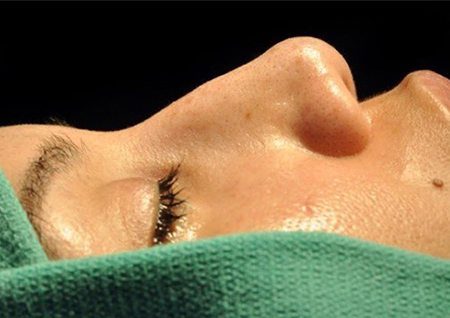
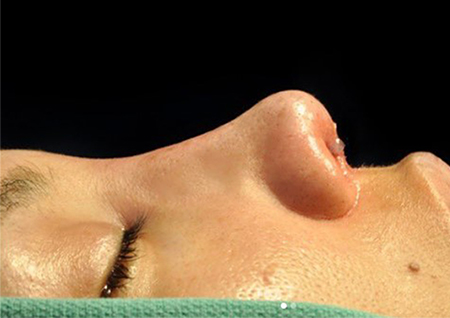
What Is Revision Rhinoplasty?
Revision rhinoplasty, also called secondary rhinoplasty, helps unhappy patients achieve the nose they envisioned when they first decided to get cosmetic surgery. However, revision rhinoplasty is more than a secondary surgery. It is an advanced, intricate procedure that focuses on correcting issues or dissatisfaction from the original rhinoplasty. Think of it as a second chance—an opportunity to fine-tune the changes or address any concerns that might have emerged after your first nose surgery.
Dr. Stepanyan emphasizes that the purpose of revision rhinoplasty goes beyond fixing mistakes. It’s about restoring confidence, helping you breathe easily, and keeping your nose at the center of balanced facial aesthetics.
Unlike a primary rhinoplasty, which is performed on an unaltered nose, revision rhinoplasty operates on nasal tissue that has already been cut, reshaped, and healed once. Scar tissue, changes to the nasal framework, and reduced cartilage reserves can make revision surgery significantly more complex than the original procedure. Several factors contribute to that complexity:
- Scar tissue from the first surgery stiffens the nasal tissue, limiting how much the surgeon can reshape the structure.
- The blood supply to the nose may be compromised by the prior nose surgery, affecting healing and tissue viability.
- Cartilage available for grafts may be depleted after the first surgery, leaving less material for structural support or refinement.
- The altered nasal anatomy may reduce the surgeon’s options, depending on the extent of the prior surgery.
Revision rhinoplasty addresses both aesthetic and functional concerns. Aesthetic goals include correcting asymmetry, refining an unnatural shape, or improving nasal tip projection. Functional goals include restoring nasal breathing and correcting a deviated septum.
Depending on the anatomy and complexity of the case, revision surgery may be performed using either a closed or open approach. Closed rhinoplasty uses incisions made entirely inside the nostrils, leaving no external scarring. Open rhinoplasty adds a small incision across the columella, the strip of tissue between the nostrils, for greater visibility of the underlying structure, and it is often necessary in complex revision cases where detailed access to altered anatomy is essential.
For Dr. Stepanyan, the purpose of revision rhinoplasty goes beyond fixing a prior result. It is about helping you breathe comfortably, feel more at ease with your appearance, and create a nose that feels natural and in proportion with the rest of your face.
Do You Need a Revision Rhinoplasty?
Patients seek revision rhinoplasty for many reasons. Aesthetically, the initial surgery might not achieve the desired nose shape or harmonization with facial features. Functionally, post-surgical complications like breathing difficulties can arise. Additionally, healing can sometimes lead to unforeseen results such as asymmetry or irregularities.
Emotional dissatisfaction, where the outcome doesn’t align with your envisioned result, also plays a part. Revision rhinoplasty is essential for correcting these concerns and achieving your ideal appearance.
Patients from Glendale and nearby communities, such as Beverly Hills, Burbank, and Pasadena, come to Dr. Stepanyan for revision rhinoplasty for various reasons. Some patients are unhappy with the appearance of their nose after surgery. Others continue to struggle with breathing problems. Many experience both. Recognizing your own concerns is often the first step toward deciding whether revision surgery is worth exploring.
Common cosmetic triggers include:
- Visible asymmetry, where one side of the nasal structure does not match the other, or the nasal bridge looks uneven.
- A residual dorsal hump, when the first reduction was incomplete, or healing caused the hump to persist.
- Nasal tip irregularities, such as a drooping, bulbous, or off-center tip that dominates the profile.
- An over-rotated or pinched tip from aggressive cartilage removal can create a stiff, unnatural look.
- A polly beak deformity, a fullness just above the tip that appears as scar tissue and soft tissue settles.
- Nasal bridge concerns that never achieved the balanced profile you envisioned.
These issues often trace back to how the first surgeon handled your anatomy: insufficient cartilage grafts, scar tissue that limited correction, or unpredictable healing.
Revision rhinoplasty is also frequently performed to address breathing problems that remain after surgery or develop during healing. Common functional concerns include:
- Nasal obstruction on one or both sides
- Difficulty breathing during exercise
- Sleep disruption related to nasal airflow
- Persistent symptoms from a deviated septum
- Internal nasal valve collapse or loss of structural support
In some cases, these issues result from unresolved pre-existing anatomy. In others, changes to the nasal framework during surgery contribute to airflow problems that require structural reconstruction or grafting.
Emotional concerns matter too. Not every revision patient arrives with a measurable breathing problem or an obvious structural issue. Sometimes the concern is simpler and more personal: the result does not feel like the face they expected to see in the mirror.
That experience may be more common than many patients realize. Some people become uncomfortable in photographs. Others feel distracted by features they notice every day but assume nobody else understands. For many revision patients, the decision to pursue another surgery comes only after years of thinking about it.
As one patient, Odeta A., explained:
“I had a surgery before with another ‘Doctor,’ and the result was very disappointing. It is important to choose the right surgeon; you’re putting your life in their hands, not only during surgery but your happiness and confidence.” |
Revision rhinoplasty is often more challenging than primary surgery because it requires the surgeon to work through scar tissue, altered anatomy, and prior structural changes. Even so, successful outcomes are possible when the surgeon has the reconstructive experience and technical judgment these cases demand. Dr. Stepanyan’s background in facial, reconstructive, and maxillofacial surgery provides the specialized expertise often required for these challenging procedures.
If you recognize your own concerns here, a consultation can help you understand whether revision is appropriate now or whether more healing time is needed first.
Watch: Liz’s Story, a Revision Rhinoplasty Experience (patient video on the practice’s testimonials page).
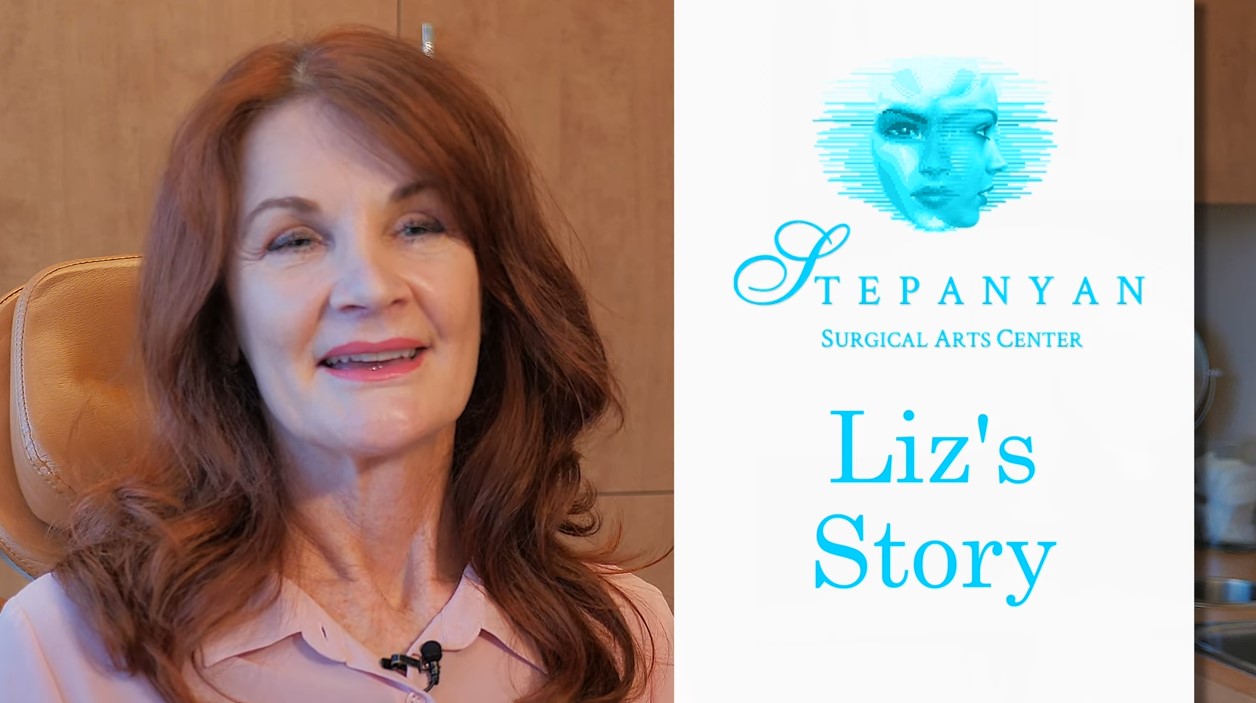
Watch: Liz’s Story- Revision Rhinoplasty Experience
Advanced Specialization in Cosmetic and Reconstructive Surgery: Why Choose Dr. Stepanyan for Ethnic Rhinoplasty in Glendale
Dr. Martin Stepanyan is a board-certified surgeon with over 16 years of academic excellence, extensive training, and over 23 years of successful private practice in Cosmetic & Reconstructive Surgery and Maxillofacial Surgery.
Choosing the right surgeon is key to achieving the best results from ethnic rhinoplasty. Dr. Martin Stepanyan stands out as a top choice for individuals seeking a surgeon who understands the delicate balance of ethnic features and can deliver beautiful, natural results.
With over 28 years of experience in facial surgery, Dr. Stepanyan combines advanced surgical skills with a compassionate, patient-centered approach.
His extensive training in both cosmetic and reconstructive facial surgery enables him to address aesthetic and functional concerns, delivering results that enhance each patient’s natural beauty. Furthermore, Dr. Stepanyan uses advanced three-dimensional imaging technology to provide patients with a clear visual representation of their expected outcomes before the procedure, helping to manage expectations and ensure satisfaction.
As a board-certified surgeon and a Fellow of prestigious professional organizations, Dr. Stepanyan operates in a state-of-the-art, AAAHC-accredited surgery center, prioritizing patient safety and comfort at all times.
His approach is supported by decades of additional training, experience, and professional achievement, including:
- More than 2,000 nasal surgeries have been performed throughout Los Angeles County, including complex revision cases for patients who travel from out of state seeking his expertise
- Board-certified since 2003, with recertification extending through 2033
- Fellow of the American Academy of Cosmetic Surgery (FAACS)
- Fellow of the American College of Surgeons (FACS)
His professional experience extends well beyond private practice. Dr. Stepanyan graduated first in his class with a 4.0 GPA from the University of Pennsylvania School of Dental Medicine, and then completed a cosmetic and reconstructive surgery fellowship under T. William Evans, MD, FACS, at The Ohio State University. He has also:
- Co-authored research published in The American Journal of Cosmetic Surgery
- Served as Division Chief at Huntington Memorial Hospital (2005 to 2007) and Methodist Hospital of Southern California (2007 to 2009)
- Participated in craniofacial reconstructive missions in Ecuador, Armenia, and Russia
Patients consistently point to the consultation experience as one of the reasons they choose Dr. Stepanyan. Lianna M. called him “the only doctor who captured my attention with all the knowledge he had,” and Vicki D. contrasted him with other surgeons who “made me feel they were only out for the money and a quick job.”
Every consultation is centered on understanding your anatomy, concerns, and goals before recommending a personalized treatment plan. Supported by trilingual staff fluent in English, Armenian, and Russian, the practice provides culturally informed care for Glendale’s diverse communities while creating results that look refined rather than obviously surgical.
As patient Naeva O. shared, people “couldn’t even tell” she had work done, reflecting the natural-looking outcomes Dr. Stepanyan strives to achieve. That same personalized approach guides Dr. Stepanyan’s philosophy of enhancing rather than westernizing the nose.
Patients also benefit from an integrated surgical setting. Dr. Stepanyan performs procedures at his AAAHC-accredited Glendale surgical center, which includes three fully equipped operating rooms and an on-site 23-hour ambulatory recovery center.
This allows patients to undergo surgery and recover under the same experienced team, providing continuity of care from the operating room through the early stages of recovery.
Dr. Stepanyan’s Glendale practice welcomes patients from throughout Burbank, Pasadena, Beverly Hills, Studio City, and the greater Los Angeles area, with extensive experience treating diverse minority and immigrant communities in the region.
How Is Revision Rhinoplasty Different From Rhinoplasty?
Revision rhinoplasty requires an especially skilled and seasoned surgeon. That’s because operating on already altered tissues, handling scars, and managing possible compromised blood supply to the region make revision rhinoplasty far more challenging than the original surgery. There are pronounced distinctions between primary and revision rhinoplasty, and understanding these differences is crucial.
Revision rhinoplasty requires Dr. Stepanyan to address a previously altered surgical landscape. The tissues have changed, scars may be present, and some vital anatomical landmarks may no longer be present.
Published revision rhinoplasty data show that most patients seeking revision surgery are undergoing a second operation rather than a third or fourth. In one series of 83 revision patients treated between 2008 and 2020, 76% underwent secondary rhinoplasty, 14% underwent tertiary procedures, and the remaining 10% underwent fourth, fifth, or even sixth nasal surgeries. The findings highlight both the complexity of revision work and the importance of getting the next operation right.
Primary rhinoplasty starts with a clean slate, where the surgeon works to achieve the desired outcome based on your original anatomy. In contrast, revision rhinoplasty is a corrective procedure. Dr. Stepanyan must work around previous changes, fixing what might have gone wrong or did not meet your expectations in the first procedure.
In primary rhinoplasty, surgeons can choose their surgical approach based on the patient’s needs. With revision, the alterations might cause some limitations. For instance, if your surgeon used an open approach during the first procedure, Dr. Stepanyan might need to use the same technique during the revision to ensure better visibility and predictability.
Healing after revision rhinoplasty can differ from that after the primary procedure. Given the compounded impact of two surgeries, there may be increased swelling or prolonged recovery times. Dr. Stepanyan advises patients to anticipate this difference and prepare for a slightly extended healing period.
Revision rhinoplasty can be highly emotional, including dissatisfaction with the previous outcome or anxiety about the upcoming procedure. It’s essential for Dr. Stepanyan to tune into these feelings, offer support and compassion, and manage expectations judiciously.
Due to its intricate nature, revision rhinoplasty can sometimes be more expensive than the primary procedure. It demands the expertise of a highly skilled surgeon, which may involve more extensive consultations and preoperative planning.
Open Rhinoplasty vs. Closed Rhinoplasty: Which Approach Is Used for Revision Cases?
Revision rhinoplasty often calls for the open rhinoplasty approach because prior scar tissue, altered anatomy, and limited remaining cartilage demand superior visibility and access to the nasal framework.
In open rhinoplasty, Dr. Stepanyan makes a small incision across the columella (the strip of skin between the nostrils) and internal incisions, allowing direct visualization of the nasal structures and precise repositioning of bone and cartilage.
Closed rhinoplasty relies on internal incisions only and leaves no external scar, but it provides limited access to the nasal framework. Closed rhinoplasty works well for minor primary corrections where scar tissue is not a factor.
In revision cases, a closed approach may provide less exposure to underlying structures altered by prior surgery and scar tissue. For that reason, many surgeons favor an open approach for complex secondary cases, as it offers greater visibility and access during reconstruction.
The “Precision Profile, Elegant Edge” approach is central to Dr. Stepanyan’s revision surgery strategy.
In a revision case, the margin for imprecision is narrow because scar tissue can obscure the original anatomy, and limited cartilage means every adjustment must be strategic. Direct access allows Dr. Stepanyan to evaluate changes from the original procedure, including areas where cartilage support may have been reduced or where grafts or implants may have shifted, and to plan reconstruction accordingly.
The small columellar incision typically heals well and becomes progressively less noticeable over time, although scar healing varies from person to person. For many revision patients, that small trade-off is worthwhile because the open approach provides the surgeon with better visibility and access to the nasal structures, enabling more precise reconstruction.
Cartilage Grafts in Revision Rhinoplasty: What Happens When the Septum Is Depleted?
Septal cartilage is the preferred graft material in revision rhinoplasty because it comes from your own body, has excellent structural properties, and avoids a second surgical site. But prior surgery can leave insufficient septal cartilage for safe harvest, requiring a different donor source.
Rib cartilage is another alternative when more support or volume is needed. It can rebuild the bridge, strengthen a weakened tip, and restore structure lost during earlier surgery. The trade-off is a small chest incision and a slightly longer recovery.
Ear cartilage is better suited for alar reconstruction. The incision may be hidden behind the ear and typically causes little visible change to the ear’s appearance.
All three options use your own tissue, minimizing the risk of rejection and providing durable support. A depleted septum does not put revision rhinoplasty out of reach. It simply changes the surgical plan.
What Happens During A Revision Rhinoplasty Procedure With Dr. Stepanyan?
Located in the scenic surroundings of Glendale and Beverly Hills, Dr. Stepanyan’s Surgical Arts Center epitomizes a blend of cutting-edge techniques and patient-centered care. His approach to revision rhinoplasty consists of several pivotal stages.
Consultation
To begin, you will sit down with Dr. Stepanyan for an in-depth consultation lasting at least one hour, though it may take longer if you have many questions. Dr. Stepanyan takes a meticulous approach to understanding your needs and wants, leaving no stone unturned.
Dr. Stepanyan uses advanced 3D imaging to help his patients visualize their potential post-surgical outcome. This step is integral for managing expectations and ensuring you are fully aware of what your results will look like.
During your consultation, Dr. Stepanyan will provide detailed instructions, including information on medications to avoid, dietary restrictions, and pre-surgical skin care, to help ensure optimal recovery and results.
For many patients, the consultation itself becomes an important part of the decision-making process.
As one patient, Lianna M., described it: “I had gone to three other consultations, but he was the only one who was able to capture my attention with all the knowledge he had.” Another, Vicki D., shared: “I had some consultations with other doctors, but they made me feel like they were only out for the money and a quick job.”
Day of the Procedure
On the appointed day, please arrive an hour before your surgery starts. This time is the final opportunity for you and Dr. Stepanyan to review risks, potential complications, alternative treatment options, and postoperative expectations.
Dr. Stepanyan will also reinforce postoperative instructions and medications, equipping you with the knowledge to have a smoother recovery.
Revision rhinoplasty is performed at the AAAHC-accredited (Accreditation Association for Ambulatory Health Care) Stepanyan Surgical Arts Center in Glendale. The facility includes three operating rooms and a dedicated preoperative area, allowing the surgical team to coordinate the entire experience in one location.
Once anesthesia is administered, the surgical team manages every aspect of the procedure and monitors patient safety throughout the operation. After surgery, patients transition to the practice’s 23-hour ambulatory recovery center, where professional monitoring supports recovery during the important first postoperative period.
Many patients appreciate the convenience of having surgery and recovery coordinated within the same practice rather than having to travel between multiple facilities.
As patient Miriam G. noted, having surgery right in the office “makes the experience so much better,” eliminating the need to travel to an outside facility.
Throughout the process, Dr. Stepanyan’s team, including a fully equipped nursing staff, guides patients through each stage of the experience and prepares them for the healing process ahead.
The Procedure
Dr. Stepanyan has continually refined and innovated his surgical techniques throughout his extensive career. This evolution has led to improved procedures tailored specifically for revision rhinoplasty. His bespoke techniques are a testament to his commitment to delivering unparalleled results, ensuring every patient leaves with a renewed sense of confidence and satisfaction.
Revision rhinoplasty is typically performed using an open approach, which involves a small incision across the columella, the strip of tissue between the nostrils. This approach provides Dr. Stepanyan with direct visualization of the underlying nasal structures, an important advantage when operating on anatomy altered by a prior surgery.
One of the first challenges in revision surgery is the presence of scar tissue. Adhesions and fibrosis that develop during healing can obscure normal tissue planes and limit surgical flexibility. Dr. Stepanyan carefully releases this scar tissue to expose the underlying framework and create the foundation for reconstruction.
Cartilage grafts are then placed strategically to restore structural support. Dr. Stepanyan uses septal cartilage when available. When prior surgery has depleted the septum, rib cartilage provides the material needed for stable reconstruction, and proper graft positioning helps improve long-term structural support and reduces the risk of collapse.
Once the structural framework has been addressed, attention turns to refinement of the nasal contours. The nasal tip is refined and repositioned to improve projection and symmetry through controlled cartilage reshaping and suturing, and the dorsal hump and nasal bridge are corrected as needed to restore balance and proportion.
Rhinoplasty procedures take two to three hours, though the length of surgery varies depending on the complexity of the case.
By entrusting Dr. Stepanyan with your revision rhinoplasty, you put yourself in the care of a surgeon whose practice prioritizes thoroughness, innovation, and an unwavering commitment to excellence
Postoperative Care and Recovery from Revision Rhinoplasty
Recovery after revision rhinoplasty occurs in stages, and understanding the timeline helps patients set realistic expectations throughout the healing process.
After the procedure, you will move into a comfortable recovery area, where Dr. Stepanyan and his team will monitor your well-being. Comprehensive aftercare guidelines prepare you for the days ahead, covering topics such as wound care, activity levels, and medication schedules.
The nasal splint and sutures are generally removed around the one-week mark, an important milestone in the recovery process. Most patients return to non-physical work within 7 to 10 days.
Most patients experience little to no visible facial bruising after four to five days, with any remaining swelling typically limited to the nose. Individual recovery varies, and this reflects a typical recovery pattern rather than a guarantee.
Some patients are surprised by how natural they look relatively early in the healing process. Dori, a revision patient of Dr. Stepanyan, shared that she attended an event three weeks after surgery with a group of friends and “none of them could even tell that I did anything.”
While noticeable improvement may appear by four to six weeks, the final refined definition of the tip, bridge, and overall structure often does not fully emerge until nine to twelve months after surgery. Patience during this window helps prevent premature concern about a result that is still settling.
Activity is reintroduced in stages. Strenuous activity, heavy lifting, and intense exercise should be avoided during the early recovery period to allow newly reconstructed structures to stabilize. As a general framework:
- Light walking is usually encouraged within the first week.
- Low-impact exercise may be resumed following the early healing phase. Normal physical activity, such as running, weight training, and more strenuous activities, may be resumed after four weeks, subject to Dr. Stepanyan’s clearance during follow-up visits.
A few temporary precautions can also support healing and improve comfort:
- Sleeping with your head elevated during the early healing period can help minimize swelling.
- Avoiding glasses that rest on the nasal bridge helps protect the healing framework.
- Limiting sun exposure and using sunscreen on the columellar incision can promote more favorable scar maturation and fading over time.
For revision patients especially, Dr. Stepanyan’s long-term follow-up, including check-ins years later, means any subtle change or question can be addressed over time.
After surgery, patients recover in the practice’s 23-hour ambulatory recovery center at the Glendale facility, where Dr. Stepanyan and his team monitor recovery through the first postoperative day. Comprehensive aftercare instructions cover wound care, activity restrictions, and medication schedules, while regular follow-up visits help keep healing on track.
What distinguishes Dr. Stepanyan’s approach is a commitment that extends beyond the surgery. He offers check-ins years after a revision rhinoplasty, a long-term relationship that matters especially to revision patients who have already felt the disappointment of being left alone after a prior procedure.
Revision Rhinoplasty for Ethnic Patients: Correcting Results That Missed the Mark
Revision rhinoplasty for ethnic patients is among the most demanding work in facial surgery because two layers of difficulty stack on each other.
Scar tissue and altered anatomy from the first surgery sit over the original cultural and structural complexity that made the primary rhinoplasty challenging to begin with.
Previous surgery can also limit the amount of septal cartilage available for reconstruction. When additional support is needed, cartilage is often harvested from the ear or rib, adding another level of technical complexity that fewer rhinoplasty surgeons routinely manage.
These are the cases that many surgeons refer elsewhere, and patients frequently travel from out of state to seek Dr. Martin Stepanyan’s expertise.
The Healthgrades reviewer from December 2025 described a prior surgeon who insisted on closed rhinoplasty despite a complex nasal break, delivered an inadequate result, and left the patient unable to breathe properly for more than a year before Dr. Stepanyan corrected both the aesthetics and the breathing through open surgery. The reviewer wrote that they would never consider another surgeon.
Every revision begins with a detailed evaluation of the previous surgery, remaining structural support, scar tissue, healing, and nasal function before a personalized treatment plan is developed. Because previously altered anatomy is less predictable, the goal is to achieve meaningful improvement and better facial balance rather than perfection.
For that reason, candidacy can only be determined through an in-person consultation. Patients who travel from outside California often do so because Dr. Stepanyan combines extensive experience in ethnic rhinoplasty with the reconstructive expertise required for complex revision cases.
Restoring Your Nose After Previous Surgeries
If your first rhinoplasty left you with asymmetry, an unnatural appearance, or breathing problems that never improved, you are not alone. Many revision patients live with those results for years before seeking another opinion. Revision rhinoplasty is different because the nose has already been altered. Scar tissue, prior structural changes, and limited cartilage can make these procedures more complex, which is why revision experience matters.
One patient spent more than 15 years breathing through only one nostril after an injury and an initial surgery. Revision rhinoplasty restored full nasal breathing and achieved a strong cosmetic outcome, demonstrating that functional and aesthetic correction can be achieved in a single procedure. Her result, in her words: “Not only did I have an amazing aesthetic with the outcome of the rhinoplasty, but I was able to take in more oxygen and feel better than ever!”
Revision rhinoplasty can restore both appearance and function. A consultation helps clarify what improvements are realistically possible in your case.
What Patients Say About Their Revision Rhinoplasty
Revision patients often arrive with a different mindset than first-time rhinoplasty patients. Many have already been through surgery once.
They know what recovery feels like, they know what disappointment feels like, and they tend to ask harder questions the second time around. That is one reason patient perspectives matter. Listen to what some of our patients say about their experience with us:
- “[M]y nose is no longer an insecurity of mine…I’m the most confident I’ve ever been. I’m the most confident I’ve ever been,” shared Christineh A., echoing a theme many revision patients describe after years of self-consciousness.
- Milena S. waited a full year after her procedure before reviewing it, specifically “to make sure my results did not change, as I saw it happened with several of my friends who had their nose jobs done somewhere else.” Her results held, which speaks to the durability that matters so much in revision cases, since further correction only becomes more difficult over time.
- Dori called her surgery with Dr. Stepanyan one of the two best decisions of her life. Three weeks after her procedure, she attended an event, and none of her friends could tell she had undergone surgery. Regarding the result, she says, “The most beautiful nose job I ever seen, so natural looking!”
Every revision case is different, and no surgeon can promise a particular result. But stories like these help explain what many revision patients are looking for in the first place: a nose that feels natural, functions well, and no longer demands so much of their attention.
Why Choose Dr. Stepanyan for Revision Rhinoplasty
Revision rhinoplasty requires more than technical skill. It demands a thorough understanding of both facial aesthetics and nasal reconstruction.
As a board-certified cosmetic, reconstructive, and maxillofacial surgeon (MD, DMD, FAACS, FACS), Dr. Stepanyan combines expertise in facial appearance with structural repair, giving him a broader range of options for managing complex revision cases. His work has also earned multiple honors, including the 2007, 2011, and 2016 America’s Top Plastic Surgeons Award from the Consumers Research Council of America.
Over the course of his career, Dr. Stepanyan has performed more than 2,000 nasal surgeries throughout Los Angeles County, including primary, ethnic, functional, and revision rhinoplasty. Patients also travel from outside California specifically to seek consultation for revision cases.
A key part of Dr. Stepanyan’s approach is setting realistic expectations from the start. He explains that revision rhinoplasty is more complex than primary surgery because of scar tissue, altered support structures, and reduced cartilage availability. Rather than promising perfection, he focuses on achieving meaningful improvement, restoring facial balance, and improving nasal function whenever possible.
Surgery is performed at the practice’s AAAHC-accredited surgical center in Glendale, which includes on-site operating rooms and a 23-hour ambulatory recovery center. The same clinical team coordinates care from surgery through the immediate recovery period, while anesthesia is administered by a board-certified anesthesiologist.
Patient reviews offer another perspective on the practice. Healthgrades reports a 5.0-star rating, Yelp shows a 4.5/5 score across nearly 50 detailed reviews, many with patient photos, and Facebook reports an 88% recommendation rate.
Together, these independent review signals complement the practice’s clinical credentials and provide prospective patients with insight into the experiences of others who have already undergone treatment.
Primary Rhinoplasty vs. Revision Rhinoplasty: A Closer Look at the Key Differences
While both procedures reshape the nose, primary rhinoplasty and revision rhinoplasty present very different surgical challenges. Here’s a table for quick comparison:
Primary Rhinoplasty | Revision Rhinoplasty |
Operates on unaltered nasal anatomy | Operates on anatomy already changed by surgery and healing |
Works with intact cartilage reserves and normal tissue planes | Often involves scar tissue, altered support structures, and reduced cartilage availability |
Surgical goals are planned around the patient’s original anatomy | Surgical planning must account for previous surgical changes and healing patterns |
Many cases can be performed using either an open or a closed technique | Complex cases frequently benefit from an open approach for improved visibility |
Typical operative time is approximately two to three hours | Procedures often require additional operative time for scar release and reconstruction |
Primary and revision rhinoplasty are fundamentally different surgical challenges, even though both reshape the nose. A primary nose job works with intact nasal structures, healthy cartilage, and undamaged tissue. Revision rhinoplasty must navigate scar tissue that has stiffened around the nasal framework, altered anatomy from the prior surgery, and sometimes depleted cartilage, which limits what can be rebuilt.
Research reflects that added complexity. Published studies report a re-revision rate of approximately 11% after secondary rhinoplasty, compared with about 3% after primary rhinoplasty.
In one series of 83 revision patients treated between 2008 and 2020, nearly one in four had already undergone three or more rhinoplasties before seeking further correction.
Dr. Stepanyan discusses these realities openly with patients from the beginning. Revision rhinoplasty presents genuine challenges related to scar tissue, risk of asymmetry, and limited cartilage availability, and the objective is meaningful improvement and facial balance rather than perfection.
Combining Revision Rhinoplasty With Other Procedures
Revision rhinoplasty is sometimes performed alongside other facial procedures during the same surgical session. Combining procedures can reduce total recovery time and yield more harmonious facial results than treating the nose in isolation, because the surrounding features often appear unbalanced when prior nasal surgery altered the bridge or tip.
One of the most common combinations is septoplasty, or correction of a deviated septum, particularly when breathing problems persist after the original surgery. Many revision patients present with both cosmetic and functional concerns, making it practical to improve nasal appearance and airway function during the same operation.
Chin augmentation is another complementary procedure. It can help restore proportion when a weak chin amplifies the nose’s prominence. Some patients also choose to combine revision rhinoplasty with blepharoplasty (eyelid surgery) to address excess upper eyelid skin or lower eyelid fullness as part of a broader facial rejuvenation plan.
For patients who also want their heritage preserved, ethnic considerations are incorporated into any combined plan, refining each feature while preserving the character that makes the face theirs.
Dr. Stepanyan uses 3D imaging to show how combined procedures will interact across the face before surgery, so you understand each component’s role before committing.
How Much Does Revision Rhinoplasty Cost in Glendale?
The cost of revision rhinoplasty at Stepanyan Surgical Arts Center in Glendale varies depending on the complexity and extent of the corrections required. Dr. Stepanyan’s team provides a transparent, personalized quote after your consultation, ensuring you are fully informed about the financial aspects of your individualized treatment plan.
Revision surgery can sometimes cost more than primary rhinoplasty because it often involves scar tissue, altered anatomy, structural reconstruction, and limited cartilage reserves, all of which require additional planning, operative time, and specialized surgical judgment.
For geographic context, rhinoplasty in Beverly Hills typically runs higher, around $20,000 to $30,000 and up, which means the Glendale location offers comparable specialist-level care at a more accessible price point (between $12,000 to $18,000).
The quoted fee typically includes the surgeon’s fee, the AAAHC-accredited facility fee, anesthesia, and structured follow-up visits. Cases that involve rib cartilage harvest, a combined septoplasty, or paired cosmetic procedures fall toward the higher end of the price range.
Your final fee is determined after a personalized assessment during your consultation, so the range above is a guide rather than a fixed quote. To improve accessibility, the practice offers several financing options. Alphaeon Credit provides prequalification without affecting your credit score, in-office monthly payment plans may be available, and major credit cards, including Visa and Mastercard, are accepted.
Revision Rhinoplasty in Glendale, CA
As a rhinoplasty and revision rhinoplasty specialist, Dr. Stepanyan is one of the most experienced plastic surgeons in Beverly Hills, Los Angeles, and Glendale, CA. Out-of-state patients travel to him for aesthetic and reconstructive surgeries, especially revision rhinoplasty.
The Glendale office, located at 1500 E. Chevy Chase Dr., Suite 430, Glendale, CA 91206, serves as the primary location for revision rhinoplasty consultations and postoperative care. Conveniently situated near Burbank, Pasadena, Studio City, and greater Los Angeles, it provides easy access for patients across Southern California. Patients may also choose the Beverly Hills office for consultations. To schedule an appointment, call (818) 551-0088.
Glendale is home to one of the largest Armenian communities outside Armenia, as well as Persian and Middle Eastern populations for whom nasal features carry deep cultural meaning.
For revision patients from these backgrounds, a central question is whether a second surgery can deliver results while honoring their heritage. Dr. Stepanyan’s approach to ethnic rhinoplasty is explicit: enhance, do not westernize.
The goal is to refine the nose while preserving the natural character and familial features that connect you to your family, without pushing it toward a single Western ideal.
Dr. Stepanyan regularly treats patients with Armenian, Middle Eastern, Persian, Hispanic, and Asian nasal anatomy, recognizing that each presents unique structural characteristics and aesthetic considerations. This individualized approach becomes particularly important in revision surgery, where patients may be seeking to restore balance while preserving features they never intended to lose.
For out-of-state patients, the Glendale office is conveniently located near both Bob Hope Airport in Burbank and Los Angeles International Airport, making consultations and surgical planning more accessible for patients traveling from outside Southern California.
If you want nothing but the best to ensure you finally receive your desired results with revision rhinoplasty, book an appointment with Dr. Stepanyan online or by calling (818) 551-0088 today.
FAQs: Glendale Revision Rhinoplasty
Revision rhinoplasty is a specialized surgical procedure aimed at correcting or improving the results of a previous nose job. Unlike a primary rhinoplasty, a revision rhinoplasty involves altered and scarred tissue, making it a much more complex procedure.
A primary rhinoplasty reshapes an unaltered nose, while a revision works around scar tissue, changed anatomy, and sometimes depleted cartilage. Dr. Martin Stepanyan, a skilled surgeon in Glendale, utilizes advanced techniques honed over years of reconstructive surgery experience to address both the cosmetic and functional aspects of the nose with precision.
Prioritize demonstrated revision experience specifically, not just high primary volume, since scar tissue and altered anatomy require a different skill set. Look for a surgeon who is honest about limits before the sale, offers unhurried consultations, uses 3D imaging so you can preview a realistic outcome, and holds verifiable credentials. Dr. Stepanyan’s MD, DMD, FAACS, and FACS credentials, his maxillofacial and reconstructive training, and his facility’s AAAHC accreditation address the structural complexity of the revision involved. |
If you are unhappy with the appearance of your nose or are experiencing breathing difficulties following a previous rhinoplasty, revision surgery may be right for you. Common issues that can be addressed include nasal asymmetry, visible irregularities, and an unsatisfactory aesthetic outcome. During your consultation, Dr. Stepanyan will thoroughly assess your nose, taking into account your medical history and expectations to determine if revision rhinoplasty is the best course of action for you. |
It is generally recommended to wait at least 12 months after your initial rhinoplasty surgery. This allows for the nose to fully heal and for swelling to subside, enabling Dr. Stepanyan to make an accurate assessment and develop a plan for optimal results. |
Yes, multiple rhinoplasty procedures can be performed safely when there is adequate healing time between them and when performed by an experienced revision specialist who understands altered anatomy. However, each additional operation becomes more technically challenging because of scar tissue, altered anatomy, and, in some cases, reduced blood supply to the tissues. Research reflects that increased complexity. One study found a re-revision rate of about 11.0%, compared with roughly 3.1% for primary rhinoplasty. This higher re-revision rate underscores why surgeon selection matters more, not less, with each subsequent procedure. |
Revision rhinoplasty can be successful in experienced hands, but it is generally more complex than primary rhinoplasty. Published data illustrate that complexity: in one series of 83 revision patients, 76% were undergoing a second surgery, while 24% had already undergone a third, fourth, fifth, or even sixth nasal procedure. Outcomes depend heavily on the surgeon’s experience managing scar tissue, altered anatomy, and limited cartilage reserves. The goal is improvement, balance, and long-term stability rather than perfection. |
Yes. Dr. Stepanyan is experienced in both aesthetic and functional nasal surgery, so whether your concern is appearance, breathing, or both, he can devise a single, comprehensive plan, often combining cosmetic revision with septoplasty or correction of a deviated septum so one recovery covers both. |
Open rhinoplasty uses a small incision across the columella, along with internal incisions, providing the surgeon with full visibility of the nasal structure. Closed rhinoplasty uses only internal incisions and leaves no external scars, but it limits access and visibility. Closed rhinoplasty suits straightforward primary cases; revision rhinoplasty almost always requires the open approach because scar tissue and altered anatomy demand that direct access. |
Scar tissue does increase surgical complexity, but it does not prevent meaningful improvement. Altered structure and a possibly compromised blood supply are assessed and planned for before surgery. Dr. Stepanyan’s maxillofacial and reconstructive training is well-suited to working through these conditions, with the goal of improvement and balance. |
Dr. Stepanyan does not use nasal packing after rhinoplasty thanks to his specialized surgical technique, which allows patients to be far more comfortable during their recovery. Traditionally, nasal packs have been used after nasal procedures to control bleeding, prevent internal scar tissue from causing tissues to stick together (synechiae), and support the nose as it heals and stabilizes. It is temporary, typically removed within the first week, and is not required in every case. |
During your consultation, you can expect a thorough and collaborative experience. Dr. Stepanyan takes the time to understand your goals and thoroughly reviews your surgical history. Utilizing 3D imaging, he provides a realistic preview of potential outcomes. You will also receive a clear, customized plan moving forward, along with answers to any questions you may have. |
While revision rhinoplasty is technically more complex, the recovery experience is typically comparable to that of a primary rhinoplasty. Some swelling and bruising may occur, but with Dr. Stepanyan’s detailed aftercare instructions and support, you can expect a comfortable and smooth healing journey. |
The cost of this procedure varies depending on the complexity and extent of the corrections needed. Dr. Stepanyan’s team provides a transparent, personalized quote after your consultation, ensuring you are fully informed about all financial aspects of your tailored treatment plan. |
With over 26 years of surgical experience, board certification, and advanced training in maxillofacial and reconstructive surgery, Dr. Stepanyan stands out among revision rhinoplasty surgeons in Glendale, Beverly Hills, and Los Angeles, CA. His dedication to patient care, precision, and long-lasting results has solidified his reputation as one of California’s most trusted surgeons in this field. If you are considering revision rhinoplasty, don’t settle for anything less than the expertise and personalized care offered by Dr. Martin Stepanyan. |
Dr. Stepanyan has completed hundreds of revision rhinoplasty procedures over his two-plus decades in practice. As a board-certified facial plastic surgeon with advanced training in maxillofacial and reconstructive techniques, he has earned widespread recognition for his expertise in complex nasal surgeries. Patients seeking a trusted revision rhinoplasty surgeon in Glendale consistently turn to Dr. Stepanyan for his precise, expertly tailored revision procedures. |
Revision rhinoplasty is inherently more complex than primary nose surgery due to scar tissue, altered anatomy, and limited cartilage availability. Risks may include prolonged swelling, asymmetry, or the need for additional procedures. However, choosing an experienced revision rhinoplasty specialist like Dr. Stepanyan significantly reduces these risks and ensures a realistic, personalized approach to achieving your goals. |
Yes. Dr. Stepanyan’s goal is always to create a nose that looks harmonious and natural with your facial features. Using advanced 3D imaging and meticulous surgical planning, he will help you visualize a result that reflects your unique anatomy and aesthetic preferences. Patients seeking natural-looking nose revision in Glendale consistently praise Dr. Stepanyan’s ability to deliver subtle, refined outcomes. |
Bringing reference photos to your consultation can be a helpful way to communicate your aesthetic goals. Dr. Stepanyan will conduct a detailed facial analysis to craft a revision rhinoplasty plan that aligns with your vision while realistically honoring your anatomy. |
Preparation is essential to a smooth surgical experience. Dr. Stepanyan and his team will provide detailed pre-op instructions, which may include avoiding specific medications, arranging transportation, and planning for recovery time. If you’re traveling to Glendale for your revision rhinoplasty, we recommend coordinating logistics well in advance for a stress-free experience. |
You may feel well enough to return to work after one to two weeks. However, your results could take up to a year to fully emerge as residual swelling resolves. Dr. Stepanyan will recommend follow-up care, if necessary, to guide you through healing and ensure optimal outcomes. |
Dr. Stepanyan can help even if you’ve had multiple nose operations. As a leading expert in complex revision rhinoplasty in Glendale, he has extensive experience working with scarred or compromised nasal structures. During your consultation, he’ll assess your anatomy and surgical history to create a safe surgical plan. |
Most insurance companies do not cover revision rhinoplasty performed solely for cosmetic reasons. Stepanyan Surgical Arts Center is an out-of-network provider and does not bill insurance companies directly for revision rhinoplasty, including procedures performed to address functional concerns. However, depending on your insurance plan, some aspects of this procedure may qualify for partial coverage if you experience functional issues, such as impaired breathing, following a previous surgery. You can request the appropriate ICD codes from the practice and submit a reimbursement claim directly to your insurance provider. Dr. Stepanyan’s team will provide a detailed cost estimate and explain available financing options during your consultation. |
Dr. Stepanyan combines surgical artistry with anatomical expertise to provide a personalized experience. His approach to Glendale revision rhinoplasty emphasizes natural results, functional improvement, and compassionate care. With advanced imaging, meticulous technique, and a commitment to long-term outcomes, he has cemented an unparalleled reputation as one of California’s most trusted nose revision specialists. |
Schedule Your Revision Rhinoplasty Consultation in Glendale
If you are considering revision rhinoplasty, the first question is likely not, “When can we do surgery?” But “Can this follow-up procedure really improve my results?” That is what the consultation is for.
Dr. Stepanyan typically spends at least an hour with revision patients, reviewing their anatomy, discussing their concerns, and explaining what may be realistically achievable in their specific situation. Revision rhinoplasty presents challenges and limitations distinct from primary surgery, and understanding these factors early helps patients make informed decisions about whether additional surgery is the right next step.
We have two offices in Southern California:
- Glendale: 1500 E. Chevy Chase Dr, Suite 430, Glendale, CA 91206 | (818) 551-0088
- Beverly Hills: 436 N. Bedford Dr, Suite 218, Beverly Hills, CA 90210 | (310) 269-8585
Virtual consultations are also available for out-of-state revision patients who want to begin planning before traveling. For patients considering financing, Alphaeon Credit prequalification can be completed quickly without affecting your credit score, and the practice offers customized monthly payment options for eligible patients.
If your first rhinoplasty did not give you the result you hoped for, it is understandable to approach another surgery carefully. For many patients, the difference starts with meeting with a surgeon who understands both the reconstructive and cosmetic aspects of revision rhinoplasty.
To take the next step toward the result you wanted the first time, book your free consultation online or call (818) 551-0088.
Ready to Get Started?
or request a consultation below
“Best decision I have ever made in my life was having Dr. Stepanyan be the surgeon for my rhinoplasty. I am SO happy with the outcome. I always get the best compliments on my nose. He is a true artist and professional.”
— Nicole M.