


Rhinoplasty
Rhinoplasty Surgery in Beverly Hills & Glendale
The nose plays a significant role in defining the overall harmony and aesthetic qualities of one’s face.
Dr. Martin Stepanyan brings over two decades of facial surgery expertise to patients throughout Beverly Hills, Glendale, and the Los Angeles area, focusing on restoring both function and facial harmony. He avoids one-size-fits-all approaches, evaluating your unique anatomy and concerns, tailoring the surgical plan to meet your individual goals whether you are considering functional or aesthetic improvements or both.
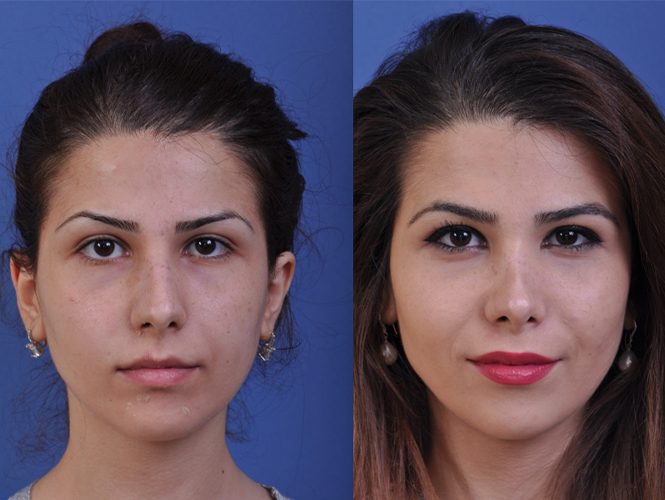

The Role of Rhinoplasty in Facial Balance
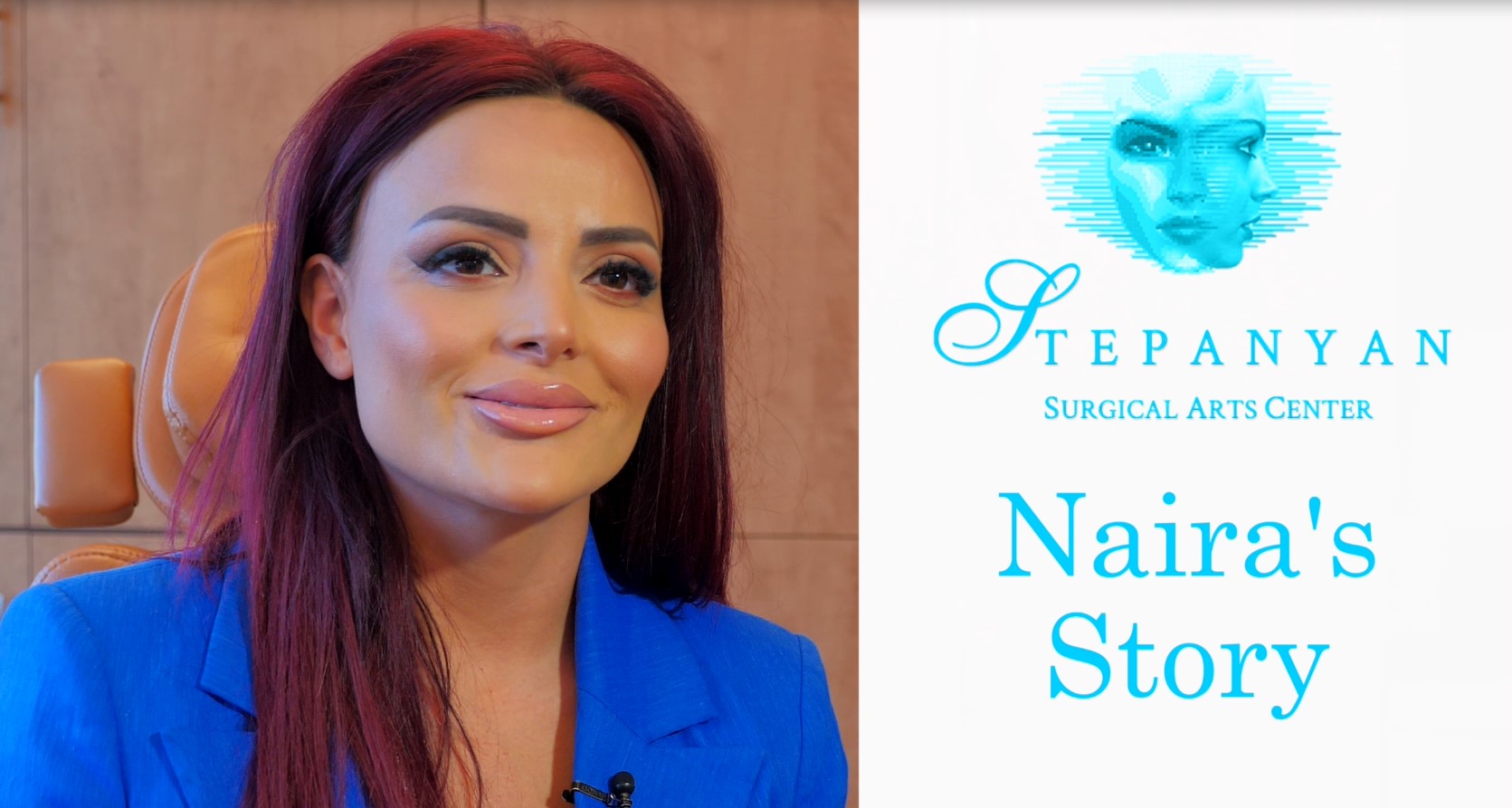
Watch: Naira’s Rhinoplasty Experience
Your nose’s central position plays a pivotal role in your facial aesthetics and even subtle changes can significantly enhance your appearance. Our patients are often surprised by how improving nasal contours can make the eyes, lips, or cheekbones stand out, bringing natural balance to the face.
Every year, more than 350,000 rhinoplasty procedures are performed here in the US, and their popularity is a testament to the transformative – yet nuanced – results available with expert care.
Dr. Stepanyan’s Approach: Personalized, Expert-Led Rhinoplasty
“No two noses, and no two faces, are ever alike. Whether I’m correcting a long-standing hump, rebuilding a nose after injury, or enhancing symmetry for a subtle change, my approach to preserve what’s unique to each face does not waver. I encourage my patients to bring in photographs and openly discuss their goals. Between us, we set realistic expectations and a clear surgical plan.”
— Dr. Martin Stepanyan
Rhinoplasty is one of the most complex cosmetic surgeries. Patients trust Dr. Stepanyan not only because of his advanced training and artistic eye but because he prioritizes natural-looking results and long-term function. Throughout his extensive career, he has helped a wide range of patients, men and women of different ages who seek cosmetic refinement or improving nasal function after trauma or injury.
When Is Rhinoplasty Considered?
Rhinoplasty, also known as a “nose job,” is performed for aesthetic and functional improvement. Dr. Stepanyan frequently sees:
- Patients with prominent humps, crooked bridges, drooping tips, or noses “too large” or out of harmony with the rest of the facial features.
- Functional rhinoplasty addresses chronic nasal congestion, trouble breathing, or issues due to previous injury.
- A combination is for patients who need improved breathing and visible refinement, such as after a sports injury that altered nose shape and airflow.

Who Is a Good Candidate?
Dr. Stepanyan evaluates candidates based on:
- Stable, completed facial growth (typically 15 to 16+ years old)
- Reasonable expectations and a commitment to following pre- and post-operative guidelines
- Good general health and non-smoking status to support optimal healing
- Motivations focused on personal goals, not external pressure
Specializing in Cosmetic & Reconstructive Surgery
Dr. Martin Stepanyan is a board certified surgeon with over 15 years of excellent education, extensive training and over 22 years of successful practice in the field of Cosmetic & Reconstructive Surgery and Maxillofacial Surgery.
What Are Your Procedure Options? Open vs. Closed Rhinoplasty
Dr. Stepanyan will discuss which technique best serves your needs. For example, complex deviations or thick skin often benefit from the open approach, while subtle tip refinements may qualify for a closed surgery.
- Open Rhinoplasty
Involves a small incision across the columella (the bridge of skin between the nostrils), plus internal cuts. This gives Dr. Stepanyan exceptional visibility to precisely adjust cartilage and bone, especially for complex reshaping or revisions. Tiny external scars fade over time and are often imperceptible. - Closed Rhinoplasty
All incisions remain inside the nostrils, leaving no visible scarring. This approach works well for less extensive reshaping. Advantages include shorter operating time, less swelling, and a swifter early recovery.


What Rhinoplasty Can Address with Concrete Outcomes?
Rhinoplasty can create subtle or dramatic changes for:
- Nasal size: Reducing an overly prominent nose or augmenting flat bridges, especially for ethnic or post-traumatic cases.
- Nasal tip: Refining a bulbous, droopy, or upturned tip. Ex: “One Glendale patient saw her tip projection reduced by 2mm, for a softer and more balanced profile.”
- Bridge/crookedness: Straightening a deviated or visibly crooked nose after injury, resulting in improved facial symmetry.
- Humps or dips: Smoothing dorsal humps or filling depressions for an even contour.
- Nostril width: Narrowing flared nostrils for a proportional fit.
- Function: Correcting airway issues due to deviated septum or collapsed valves for easier breathing. This is sometimes measured by improved airflow on post-op breathing tests.
Case Example — Repairing Injury and Restoring Confidence
“A patient from Beverly Hills came in after a cycling accident that left his nose visibly off-center and blocked on one side. We combined open rhinoplasty with septal reconstruction, aligning the nose and improving airflow. Six months later, not only was his breathing restored, but his profile looked the same as before his accident—if not better.”
Local Experience, Trusted Results
Dr. Stepanyan has performed over 2,000 nasal surgeries throughout Los Angeles County. Many patients in Beverly Hills and Glendale are referred by previous patients, local physicians, or come for revision cases after unsatisfactory results elsewhere.
Are There Any Rhinoplasty Specialty Procedures?
- Ethnic Rhinoplasty: Tailors changes to preserve ethnic identity while addressing unique anatomical features. Whether it’s subtle refinement or support for weaker cartilage (common in certain populations), Dr. Stepanyan ensures natural, harmonious results that respect each patient’s heritage.
- Revision Rhinoplasty: Corrects issues from prior surgery, such as persistent bumps, scarring, or breathing trouble, requiring advanced techniques and surgical judgment.
What Will My Rhinoplasty Experience Look Like? Consultation to Recovery
Consultation
Expect a thorough evaluation of facial structure, nasal anatomy, and desired outcomes, often with digital imaging “morphs” to preview changes.
Surgery Day
Most rhinoplasty cases are day surgeries performed under general anesthesia.
- Procedure takes 2 to 3 hours, depending on complexity.
- Approach (open or closed) determined by individualized planning.
- Nose is sculpted with precise bone and cartilage reshaping, with grafts as needed.
Immediate Recovery (Day 1–7)
- Splint applied to maintain shape; internal packing used as needed.
- Bruising and swelling peak in 2 to 3 days; ice packs and head elevation help.
- Stuffiness and mild soreness expected; most patients describe discomfort as “congestion” more than pain.
- Splint and sutures removed in 7 days; most return to non-physical jobs within 7 to 10 days.
- Weeks 2–4
- Noticeable swelling recedes, though minor puffiness can persist.
- Exercise and heavy lifting should wait until 3+ weeks unless cleared by Dr. Stepanyan.
- Return to full activity by 4 weeks is common in straightforward cases.
- Month 3–12
- Swelling continues to settle; tip refinement and subtle changes become more apparent.
- Results may take up to one year, particularly for thicker skin or major structural work.
Red Flags:
- Severe pain, persistent bleeding, or high fever are uncommon and should prompt immediate medical review.
Real Patient Stories
Case Study 1:
A 23-year-old woman wanted subtle hump reduction and tip refinement. After digital simulation and discussion, Dr. Stepanyan performed closed rhinoplasty. Six months later, she reported boosts in self-confidence and improved breathing when running outdoors.
Case Study 2:
A retired teacher from Glendale experienced chronic snoring and a “crooked nose” after a sports injury in her youth. Combining septoplasty and rhinoplasty resolved her sleep apnea and restored midline symmetry. Her testimonial notes, “Friends said I look refreshed but natural.”
FAQ: Rhinoplasty in Beverly Hills & Los Angeles
Fees range from $8,000 to $16,000+, depending on complexity, surgical facility, anesthesia, and any additional procedures, such as septoplasty. Fees are discussed after a personalized assessment.
Closed rhinoplasty incisions are entirely hidden. Open rhinoplasty leaves a fine scar at the columella base. It will be barely visible once healed.
Light activity resumes within 2 weeks, but strenuous workouts and contact sports should be avoided for 3 to 6 weeks. Ask Dr. Stepanyan about your specific timeline.
Avoid resting glasses directly on the nose for at least 4 weeks post-op. Special supports or contact lenses are recommended during early healing.
This is rare but possible, especially for professional vocalists or in cases involving major septal work. Dr. Stepanyan will address this concern specifically at your consultation.
Yes, many patients opt for chin augmentation, eyelid surgery, or functional nasal corrections during the same anesthesia session.
Swelling improves steadily, but subtle refinements may take up to one year, especially at the nasal tip.
If obstruction, injury, or breathing problems are documented, insurance may cover internal repairs (e.g., septoplasty, turbinate reduction), but not cosmetic adjustments. Our office provides assistance with pre-authorization and documentation.
Why Patients in Beverly Hills & Glendale Choose Dr. Stepanyan
- Board-certified facial cosmetic & maxillofacial surgeon
- Over 2,000+ rhinoplasty and nasal procedures performed locally
- Local hospital privileges and AAAHC-accredited surgical suite
- 3D imaging and personalized morphing used in consults
- Real before-and-after photos for each procedure type – visit our online gallery
- Active member: American Academy of Facial Plastic & Reconstructive Surgery, American Board of Cosmetic Surgery
“Dr. Stepanyan’s calm confidence put me at ease. My nose looks better than I hoped for—very natural. Most importantly, it doesn’t look ‘done.’” — Patient, Beverly Hills
Schedule Your Rhinoplasty Consultation
Ready to explore your options or seeking a second opinion? Dr. Stepanyan welcomes you to schedule a comprehensive consultation in Beverly Hills or Glendale. You’ll receive honest guidance, a detailed surgical plan, and an opportunity to preview your potential results.
Contact us online or call (818) 551-0088 to book your appointment.
Los Angeles Rhinoplasty FAQ
A facial cosmetic and maxillofacial plastic surgeon like Dr. Stepanyan would be an ideal choice for rhinoplasty due to the comprehensive training and understanding they bring to the table. Such surgeons are uniquely qualified as they thoroughly understand the aesthetic and functional aspects of facial structures.
In the context of rhinoplasty, their expertise extends beyond simple cosmetic corrections. They are adept at identifying and addressing facial skeletal deformities, enhancing not only the appearance but also the overall structural integrity of the face.
Moreover, double board-certified surgeons tend to integrate functional procedures with cosmetic ones. For example, they would typically perform a septoplasty or other nasal functional surgeries alongside a rhinoplasty. This comprehensive approach not only improves the nose’s aesthetics but also addresses any underlying breathing issues, thus ensuring that the surgery benefits the patient in terms of both appearance and function.
Ethnic rhinoplasty is a specialized form of rhinoplasty that takes into account the unique facial features and structures characteristic of various ethnic groups. This procedure aims to enhance the nose’s aesthetics while preserving the individual’s ethnic identity and features, thus maintaining harmony with the rest of the face.
For instance, Middle Eastern rhinoplasty, also commonly known as Persian rhinoplasty, considers the unique characteristics common among individuals from the Middle East. Typically, this might include a more prominent nasal bridge or a longer, more drooping nasal tip.
Hispanic rhinoplasty, on the other hand, addresses the specific anatomical features of the Hispanic population. This can often involve the refinement of a wider nasal bridge and tip, while still preserving the unique ethnic features that contribute to the patient’s identity.
Each ethnic rhinoplasty is uniquely tailored to respect and honor the patient’s cultural heritage while achieving their aesthetic goals. The aim is to enhance, not to westernize or standardize, thereby promoting diversity and individual identity in beauty.
The cost of rhinoplasty can vary significantly depending on a variety of factors, including the surgeon’s experience, the complexity of the procedure, geographical location, and whether any additional procedures are being performed at the same time. Dr. Stepanyan’s team is happy to provide you with an estimate after you meet with Dr. Stepanyan for a consultation and evaluation.
Revision rhinoplasty, also known as secondary rhinoplasty, is a surgical procedure performed to correct any issues that have arisen from a previous rhinoplasty. These issues can be either functional, such as breathing difficulties, or aesthetic, such as dissatisfaction with the appearance of the nose after the initial surgery.
Given the complexity of the nasal structure and its central role in facial aesthetics, rhinoplasty can occasionally lead to unintended outcomes. A revision rhinoplasty aims to rectify these issues, and it can be a more complex procedure than the original rhinoplasty. This is due to changes in the nasal structure that occur during the first surgery, such as scar tissue formation, alterations in cartilage and bone, or changes in skin quality.
Therefore, revision rhinoplasty requires a high level of skill and expertise, often more so than the initial surgery. Patients often choose Dr. Stepanyan because of his skill, honorable reputation, and high success rate with revision rhinoplasty procedures.
Rhinoplasty results are permanent, which makes it a highly effective procedure for addressing any imperfections in your nose and achieving facial symmetry. However, as you age and your facial skin changes, you may also experience slight changes to the appearance of your nose.
With rhinoplasty, you can revise the size and shape of your nose for added symmetry and aesthetic balance. These alterations can help you achieve nasal proportions better suited for your facial structure and resolve concerns like dips and bumps across the nose bridge. Rhinoplasty can also address functional problems, such as disabilities, sleep apnea, and breathing issues.
After your rhinoplasty, you can go home the same day. For the first week, you may need to wear a splint or packing over your nose. Once this period has passed, you may still feel some soreness, swelling, and bruising across your nose. You can manage these side effects with the help of medications and aftercare instructions provided to you by Dr. Stepanyan. Most post-surgical side effects resolve a few weeks after surgery.
Depending on how strenuous their jobs are, most patients can resume work within one to two weeks after rhinoplasty. While you may still experience some residual swelling and bruising over the nose during this period, it can typically be concealed with makeup.
While your rhinoplasty results become visible after a few weeks, it can take up to a year for the outcome to be fully evident. Residual swelling and bruising can affect the treatment area for several months as your nose continues to heal. However, once the side effects subside completely, your rhinoplasty results will reveal the enhanced appearance of your nose.
You should refrain from physically strenuous activities like exercise for at least six weeks after rhinoplasty. This not only helps you prevent excessive swelling and bruising but also lets you avoid complications as you recover. During your follow-up visits, Dr. Stepanyan can assess your recovery and advise how soon you can resume your exercise regimen.
Right after rhinoplasty, you should avoid taking hot showers and baths, smoking cigarettes, and consuming alcohol. You should also avoid physically demanding activities like exercise and contact sports. You also need to stop seemingly normal activities like blowing your nose. To help you navigate these practices, Dr. Stepanyan and our team provide a list of aftercare instructions to follow during your recovery.
While it can be difficult, you need to stop wearing your glasses for at least one to two weeks following your rhinoplasty. You should avoid any weight and pressure on the treated areas as you recover. Depending upon your recovery and the type of glasses that you wear, Dr. Stepanyan can recommend how quickly you can resume wearing them after your rhinoplasty.